


Engine Oil
Schneiden Global
/
Engine Lubricants
Engine Oils
Advanced lubrication solutions engineered to help protect engines against wear, heat, deposits and demanding operating conditions.
Explore Engine Oils
01 / Engine Lubrication
The Role of Engine Oil
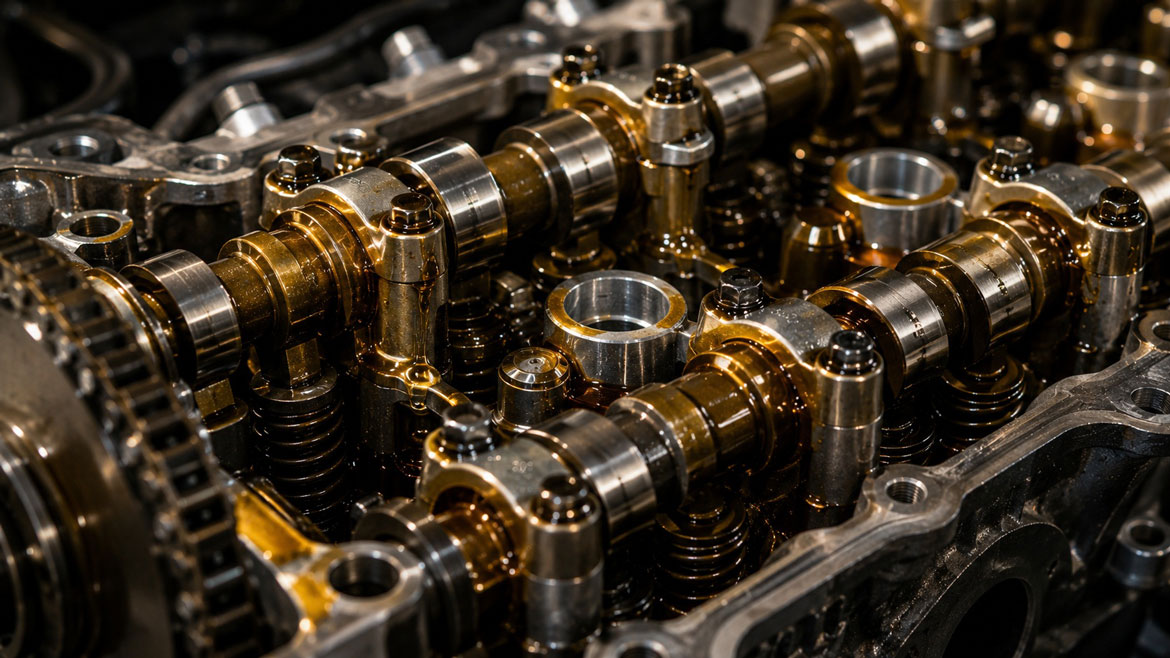
Engine oil is a specially formulated lubricant designed to operate inside engines where moving components are exposed to friction, pressure and significant thermal loads.
Its primary function is to maintain an effective lubricating film between moving surfaces while helping control wear and friction. Depending on the formulation, engine oil also contributes to heat transfer, deposit control, corrosion protection and cleanliness.
Modern engines place increasingly demanding requirements on lubricants because of higher operating temperatures, tighter component tolerances, turbocharging and extended service intervals.
Schneiden Global develops engine lubrication solutions with attention to viscosity, performance requirements and the operating conditions of the engine.
Find the Right Engine Oil for Your Application
Explore Schneiden Global's lubricant solutions for modern engines and demanding operating conditions.
02 / Applications
Engine Oils for Different Applications
Lubricant requirements vary according to engine design, fuel type, operating conditions, emissions technology and manufacturer specifications.
01
Passenger Car Engines
Formulated for modern gasoline and light-duty vehicle engines, with performance requirements that can include wear control, deposit management and compatibility with emission-control systems.
02
Diesel Engines
Diesel engine oils are designed around the higher soot, thermal and load conditions associated with many compression-ignition applications.
03
Heavy-Duty Engines
Heavy-duty applications can demand strong oxidation control, deposit protection and durability during prolonged high-load operation.
03 / Lubricant Functions
More Than Friction Control
Engine oil is a multifunctional working fluid. Its formulation combines base oils and performance additives to address several conditions encountered during engine operation.
Wear Protection
Helps maintain a protective lubricating film between loaded and moving engine components.
Deposit Control
Appropriate additive chemistry helps control deposits, sludge and varnish under operating conditions.
Oxidation Control
Formulation stability is important when oil is exposed to elevated temperatures and oxygen.
Corrosion Protection
Engine oil can help protect metallic surfaces from corrosive effects within the lubrication system.
04 / Viscosity
Understanding Engine Oil Viscosity
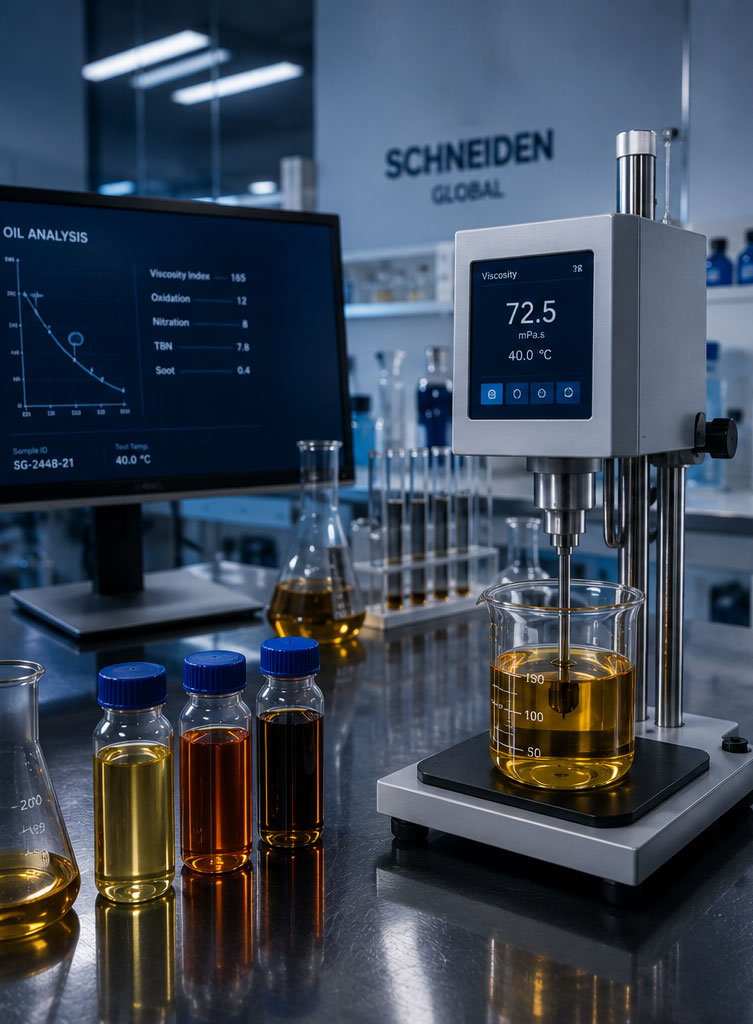
Viscosity describes how an oil flows under defined conditions. Engine oil viscosity is commonly identified using SAE viscosity grades.
SAE J300 establishes the limits used to classify engine lubricating oils in rheological terms. The viscosity grade itself does not describe the complete performance of an oil; performance specifications and manufacturer requirements must also be considered.
SAE Viscosity Classification
SAE J300
The appropriate viscosity grade should always be
selected according to the engine manufacturer's
recommendation and operating conditions.
05 / Performance
Engine Protection Under Demanding Conditions
Modern engine oils are evaluated against a range of performance requirements. Depending on the application, these can include wear protection, deposit control, oxidation resistance and protection of emission-control systems.
Wear Control
Helps protect critical surfaces during high-speed, high-load and start-up conditions.
High-Temperature Stability
Supports lubricant performance when components and oil are exposed to elevated temperatures.
Deposit Protection
Helps manage sludge, varnish and high-temperature deposits within the engine.
Emission-System Protection
Modern formulations may include requirements related to catalysts, particulate filters and other emission-control technologies.
06 / Specifications
Choosing the Right Engine Oil
Selecting an engine oil should never be based on viscosity alone. The correct product must satisfy the specifications required by the engine manufacturer and the intended operating conditions.
- Recommended SAE viscosity grade
- Required API or applicable performance category
- OEM approvals and manufacturer specifications
- Engine design and fuel type
- Operating temperature and load
- Emission-control and after-treatment requirements
07 / Maintenance
Oil Condition and Engine Reliability
Proper lubricant selection is only one part of effective engine maintenance. Correct service intervals, oil level, contamination control and the condition of the lubricant all contribute to reliable operation.
01
Correct Oil Level
Maintaining the oil level within the manufacturer's specified range helps ensure adequate lubrication and oil circulation.
02
Clean Lubrication System
Contamination control and appropriate filtration help protect sensitive engine components from abrasive particles and unwanted debris.
03
Appropriate Service Interval
Oil change intervals should follow the engine manufacturer's recommendations and account for actual operating conditions.
Schneiden Global
Engine Oils for Modern Engines
Schneiden Global develops engine oil solutions designed for the lubrication requirements of modern automotive, commercial and industrial engines.
Our approach combines lubricant formulation, viscosity selection and application requirements to provide products intended to support engine protection, cleanliness and reliable operation.
From passenger vehicles to demanding heavy-duty applications, Schneiden Global provides engine lubrication solutions for customers operating across international markets.
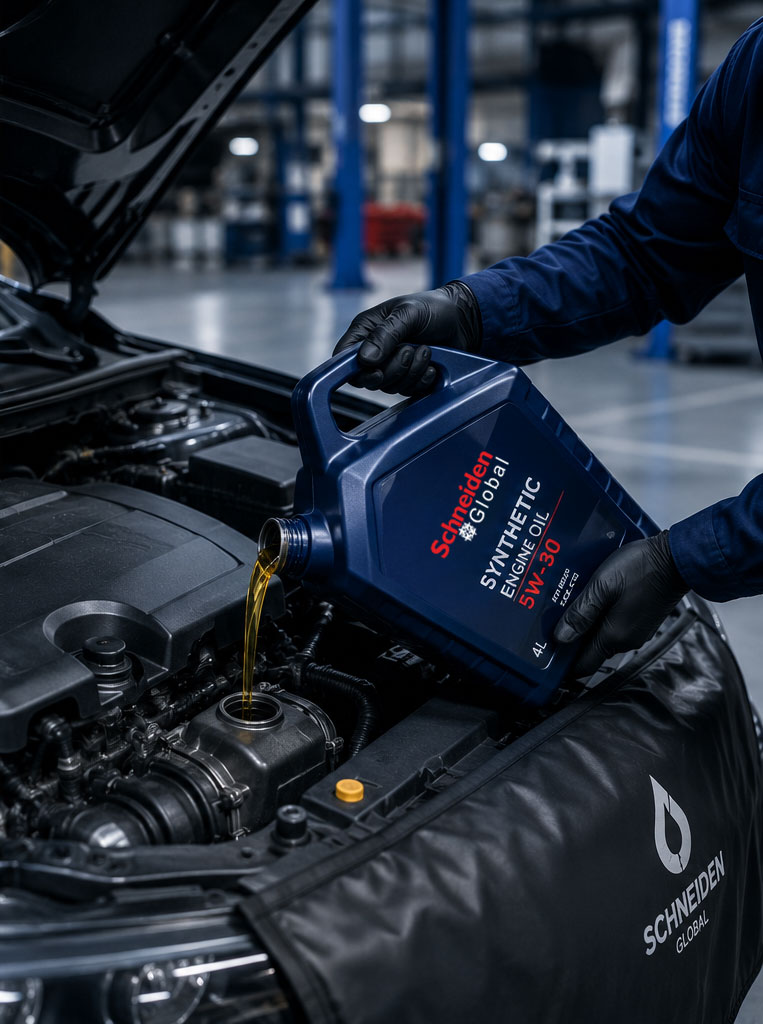
Engine Oils
Explore Our Engine Oil Solutions
Discover Schneiden Global engine oils developed for modern engines, demanding operating conditions and professional lubrication requirements.
EXPLORE PRODUCTS